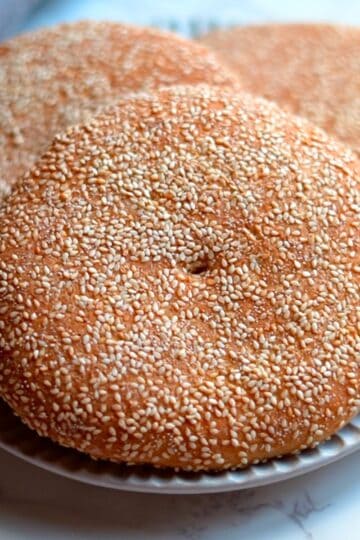
How to make pandesal (Soft and Fluffy Filipino Bread Rolls )
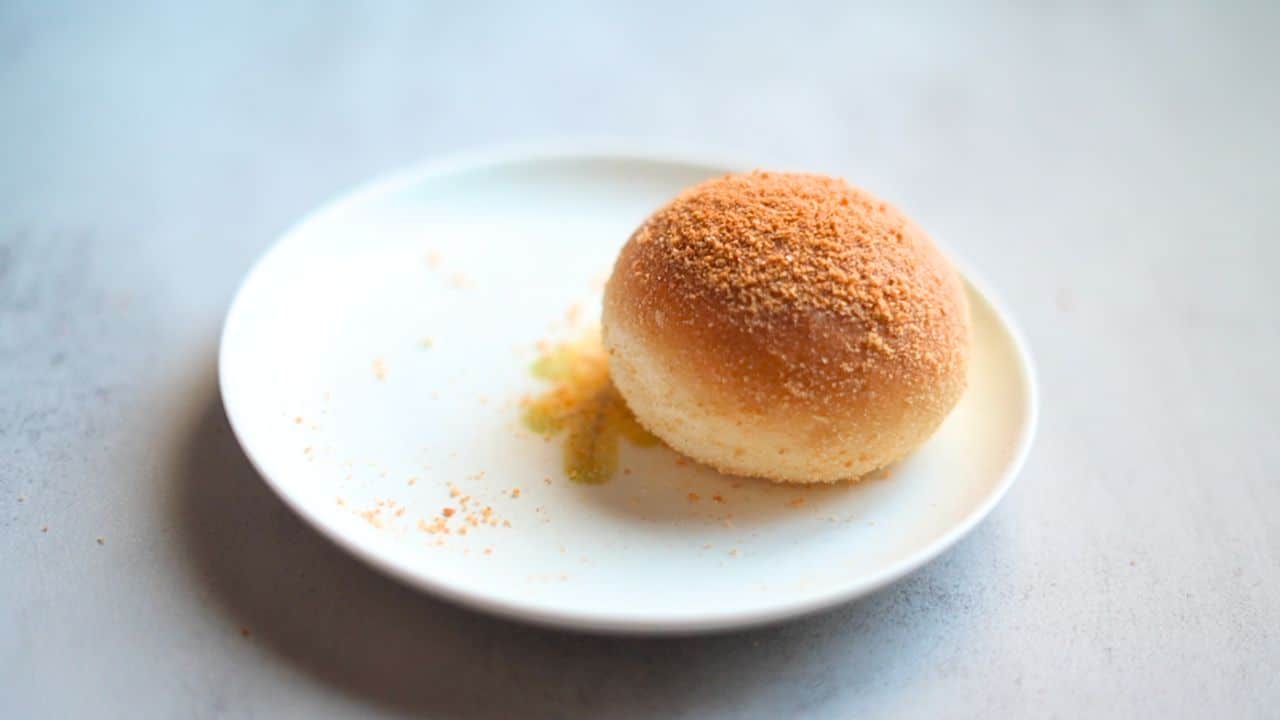
How to make Pandesal (Soft and fluffy Filipino Bread Rolls) at home. Pandesal is a popular Filipino bread roll loved for its soft, fluffy texture and lightly crisp, golden breadcrumb coating.
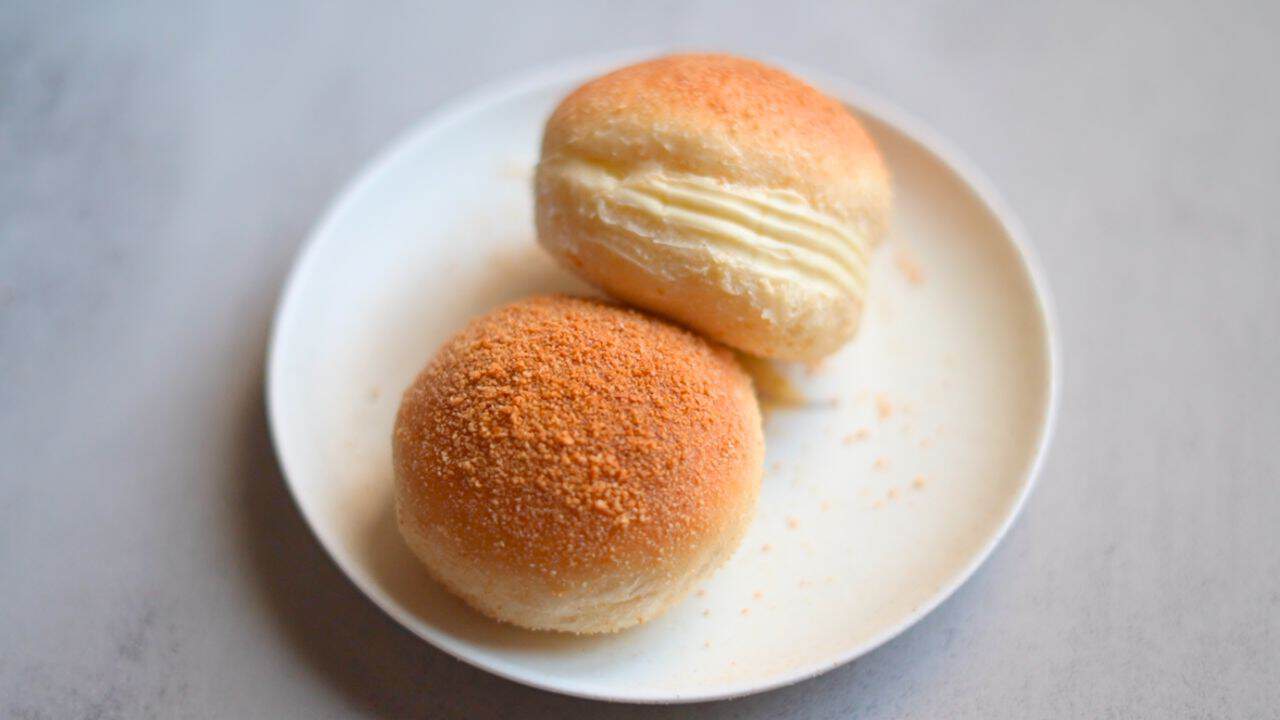
Traditionally enjoyed for breakfast, these little rolls are delicious with butter, cheese, jam, peanut butter, or your favourite savoury fillings. They are slightly sweet, making them perfect for both sweet and savoury accompaniments.
This homemade pandesal recipe uses simple ingredients and an easy dough-making method. The dough is soft, enriched with milk, egg, and butter, and coated in breadcrumbs before baking.
You don't need any special equipment to make these lovely rolls at home. With a little kneading and patience during proofing, you can enjoy freshly baked pandesal straight from your oven.
Why You'll Love This Pandesal Recipe
- Soft and fluffy: Milk, egg, and butter help create tender, delicious bread rolls.
- Simple ingredients: Everything you need is easy to find in your kitchen.
- Easy to make: The dough comes together in one bowl, making preparation straightforward.
- Perfect for breakfast: Enjoy these rolls warm with butter, cheese, jam, or your favourite filling.
- Freezer-friendly: You can prepare a batch ahead and reheat the rolls whenever you want fresh-tasting bread.
You might also love this Quick Dinner Rolls Recipe which will help you make soft dinner rolls using an easy "one rise Method".
Ingredients for Pandesal
Flour – 325 g (2½ cups)
Bread flour or All-purpose flour can be used for this recipe. The flour provides the structure for the rolls.
If you want to add whole wheat flour , you can add 30 % of flour as whole wheat flour. Since different brands absorb liquid differently, you may need to adjust the flour or milk slightly to achieve a soft, smooth dough.
Milk – 128 ml (½ cup + ½ tablespoon)
Use slightly warm milk, not hot or cold (ideally around 95 C -100 C). Avoid using hot milk, as excessive heat can damage the yeast. If you want, you can use water instead of milk.
Egg – 1
The egg enriches the dough and contributes to its soft texture and beautiful golden colour. You can use equal volume of milk or water (around 65 ml), if you want an egg substitute.
Butter – 50 g (3½ tablespoons)
Butter adds flavour and tenderness. Use softened butter so it incorporates easily into the dough.
Yeast – 1 teaspoon
You can use instant yeast or active dry yeast. Both work for this recipe.
Sugar – 30 g (2½ tablespoons)
Sugar gives pandesal its characteristic mild sweetness and helps support yeast activity. You can use honey instead of sugar.
Salt – 1 teaspoon (6 g)
Salt balances the sweetness and enhances the overall flavour of the bread.
Breadcrumbs – 50 g
Breadcrumbs create the familiar coating on pandesal. Fine, dry breadcrumbs work particularly well.
How to Make Pandesal
1. Mix the Dough Ingredients
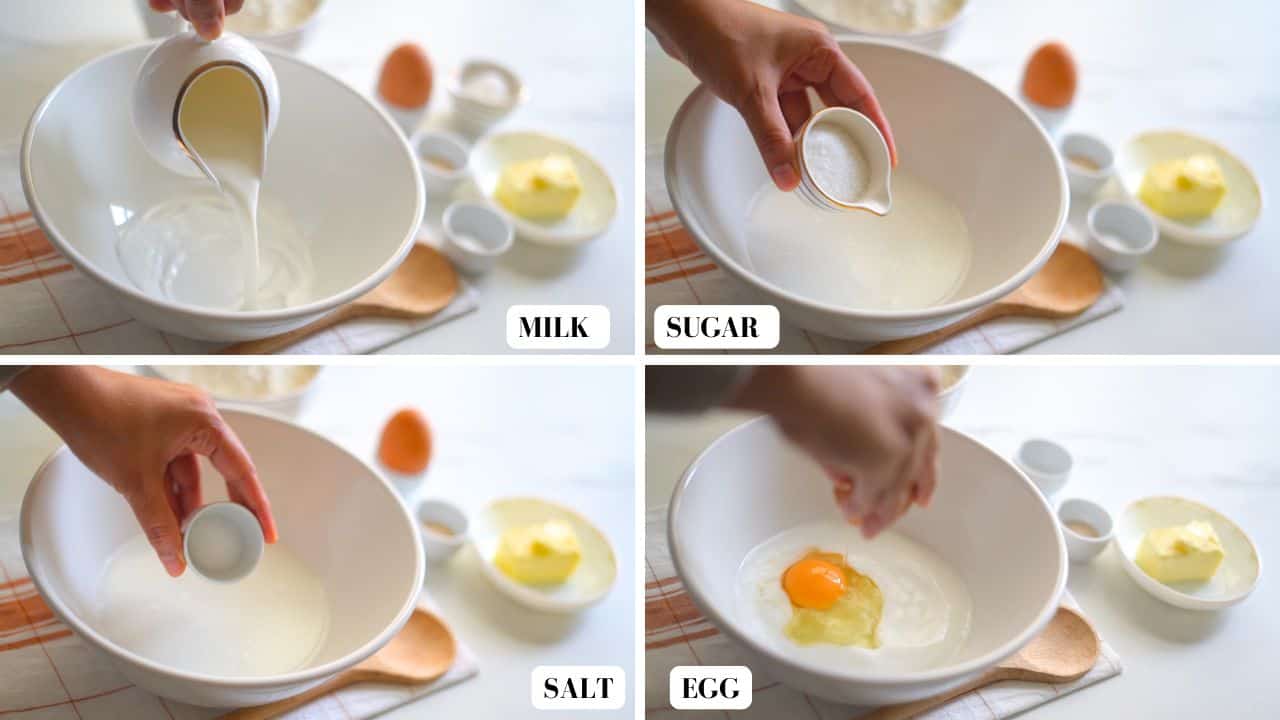
Pour the slightly warm milk into a large mixing bowl. Add the sugar, salt, yeast, egg, and softened butter.
Add the flour and mix everything until the ingredients come together into a shaggy mass of dough.
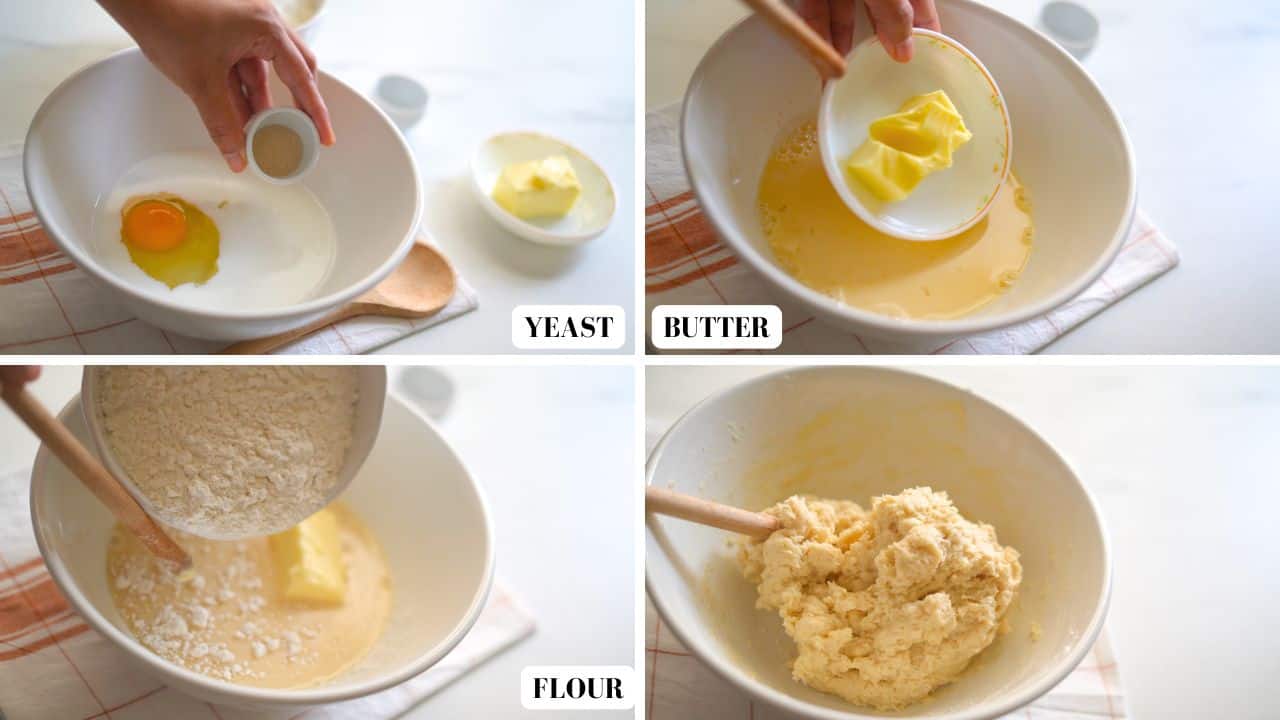
At this stage, the dough may look rough and uneven. That's perfectly fine. The aim is simply to bring all the ingredients together before kneading.
2. Knead Until Smooth
Transfer the dough to a clean work surface and knead until it becomes soft, smooth, and elastic. You can also use a stand mixer fitted with a dough hook.
Kneading by hand generally takes around 10 minutes, although the exact time depends on your technique and the flour you use.
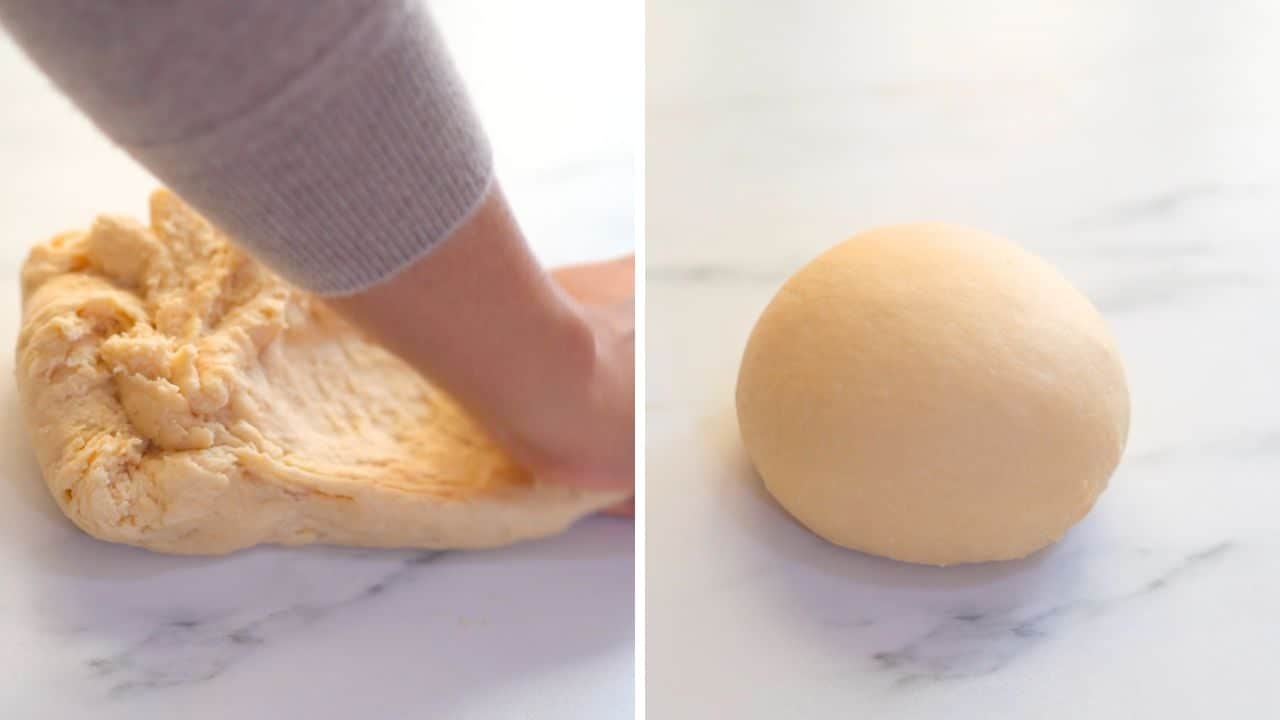
The dough should feel soft and slightly tacky, rather than dry or excessively sticky. If it remains very sticky even after about 6 minutes of kneading, add one or two tablespoons of flour gradually. If it feels too tight or dry, add a little more milk.
Try not to add too much flour, as this can make the finished pandesal dense instead of soft and fluffy.
After approximately 10 minutes of kneading, you should have a soft, smooth dough that is easier to handle.
3. First Proof
Lightly grease a clean bowl with olive oil and transfer the dough into it. Turn the dough once so that its surface is lightly coated with oil.
Cover the bowl and leave the dough to rise in a warm place for approximately 1½ hours, or until it has doubled in size.
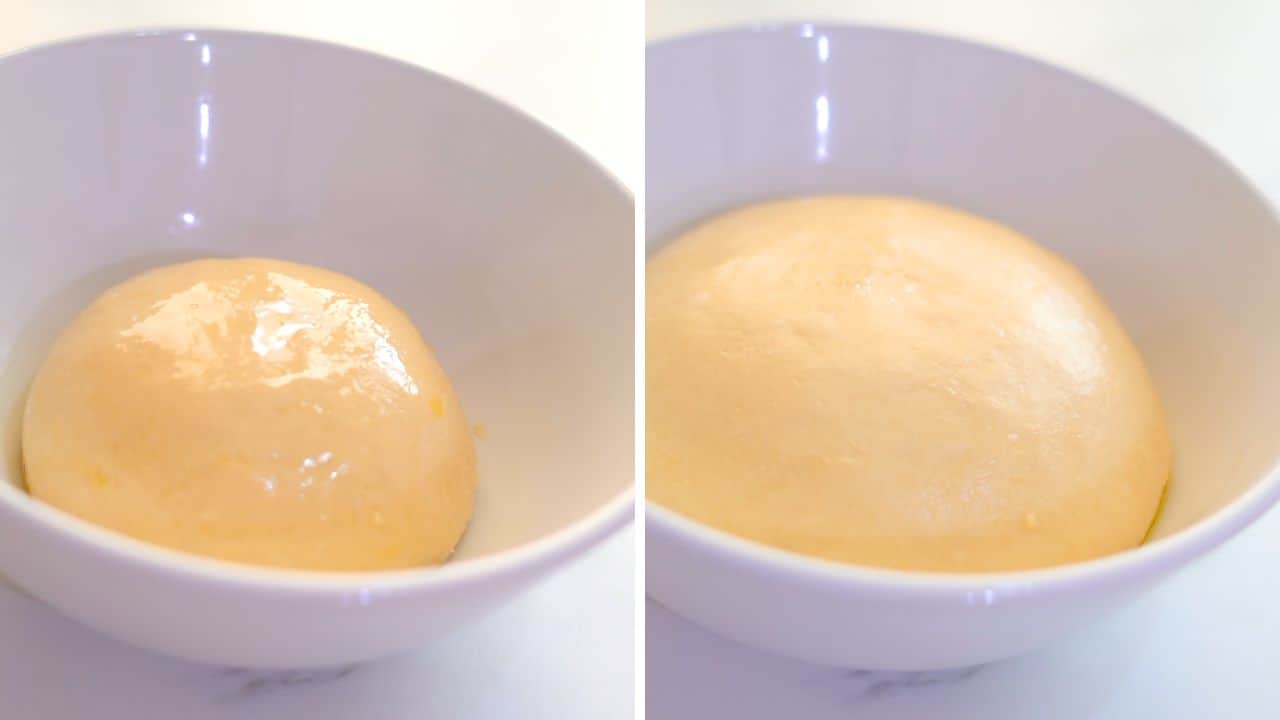
The rising time may vary depending on the temperature of your kitchen. In a cooler environment, the dough may need more time, so use its appearance rather than the clock alone to judge when it is ready.
4. Divide the Dough
Once the dough has doubled in size, gently press it down to release the accumulated gas. This process is called degassing.
Transfer the dough to your work surface and divide it into 15 equal portions. For evenly sized rolls, you can use a kitchen scale to weigh the portions.
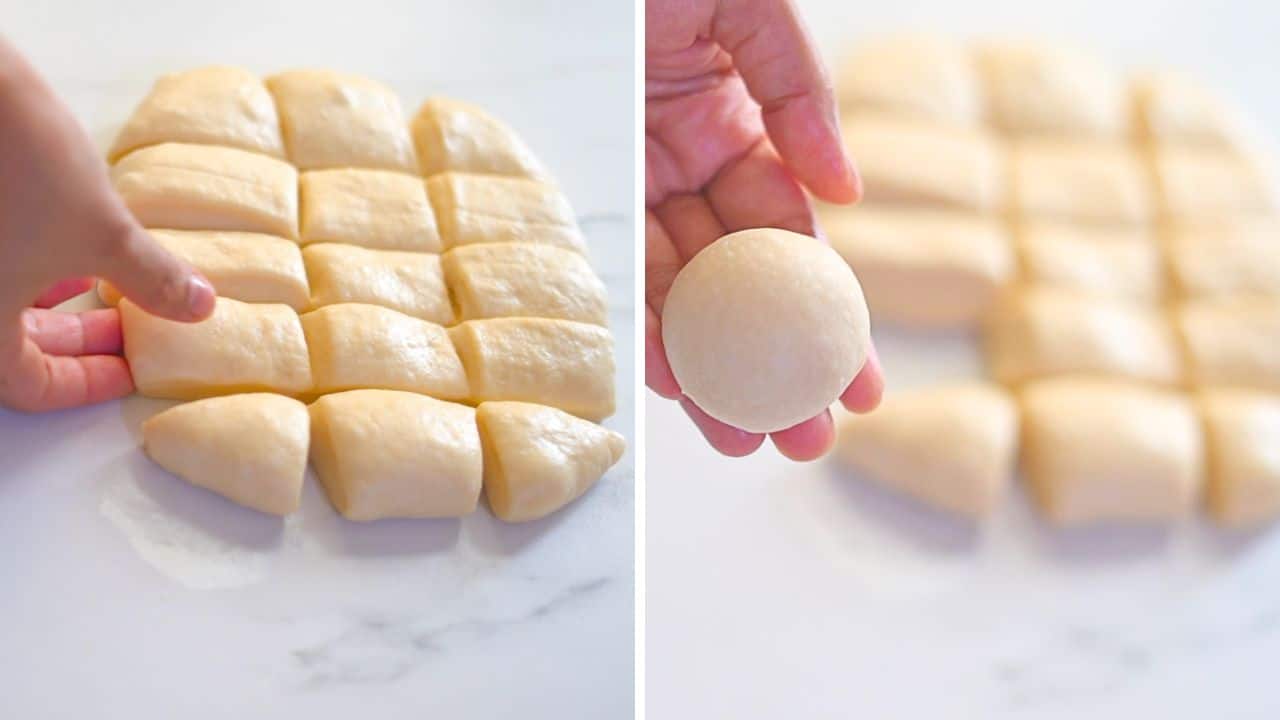
Keeping the portions similar in size helps them bake evenly and gives you a consistent batch of pandesal.
5. Shape the Rolls
Take one portion of dough and shape it into a small, smooth ball. To do this, gently tuck the edges underneath and roll the dough between your palms or against the work surface.
Repeat with the remaining portions.
Try to keep the surface of each ball smooth and the seam tucked underneath. This helps the rolls maintain a neat shape during their second rise and baking.
6. Coat with Breadcrumbs
Place the breadcrumbs in a shallow bowl. Roll each dough ball in the breadcrumbs until it is coated on all sides.
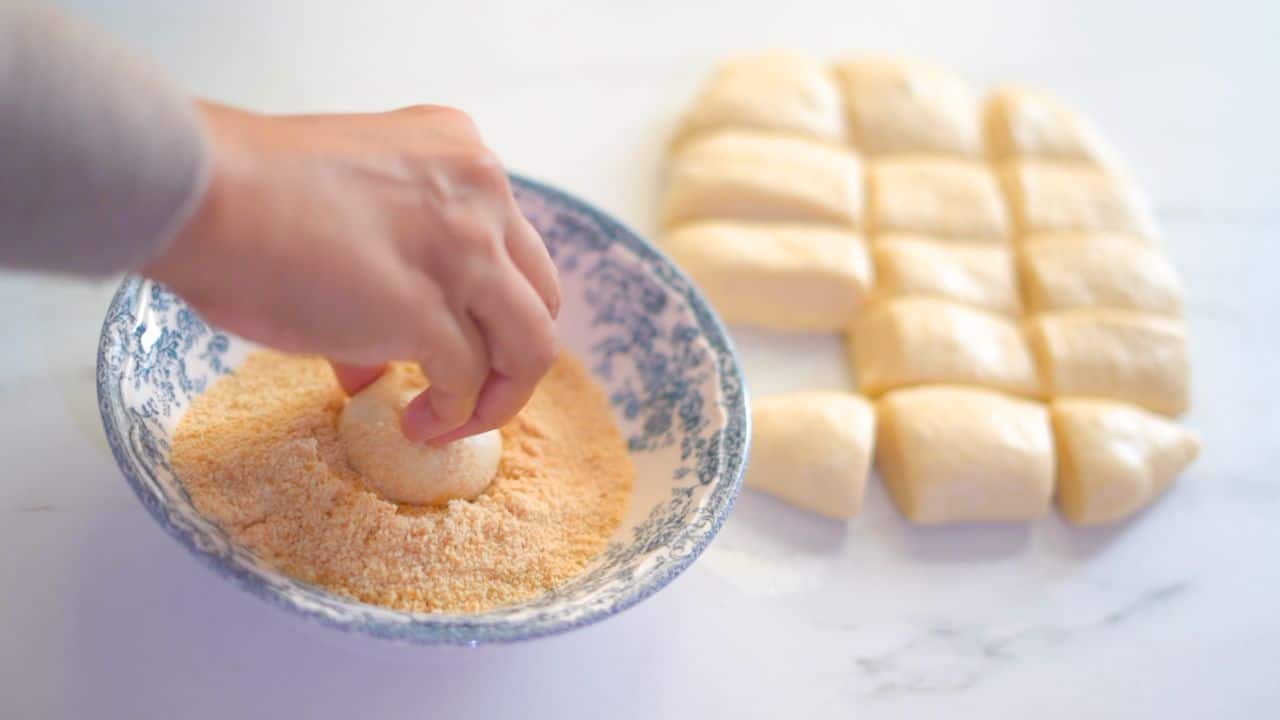
If the breadcrumbs do not stick properly, lightly spray the surface of the dough balls with water before coating them again. You only need a little moisture to help the crumbs adhere.
The breadcrumb coating is an important feature of pandesal. It gives the rolls their distinctive appearance and a delicate texture on the outside.
7. Second Proof
Arrange the coated dough balls on a baking sheet lined with parchment paper, leaving enough space between them for expansion.
Cover loosely and allow the rolls to rise for 45-60 minutes, or until they look noticeably puffier.
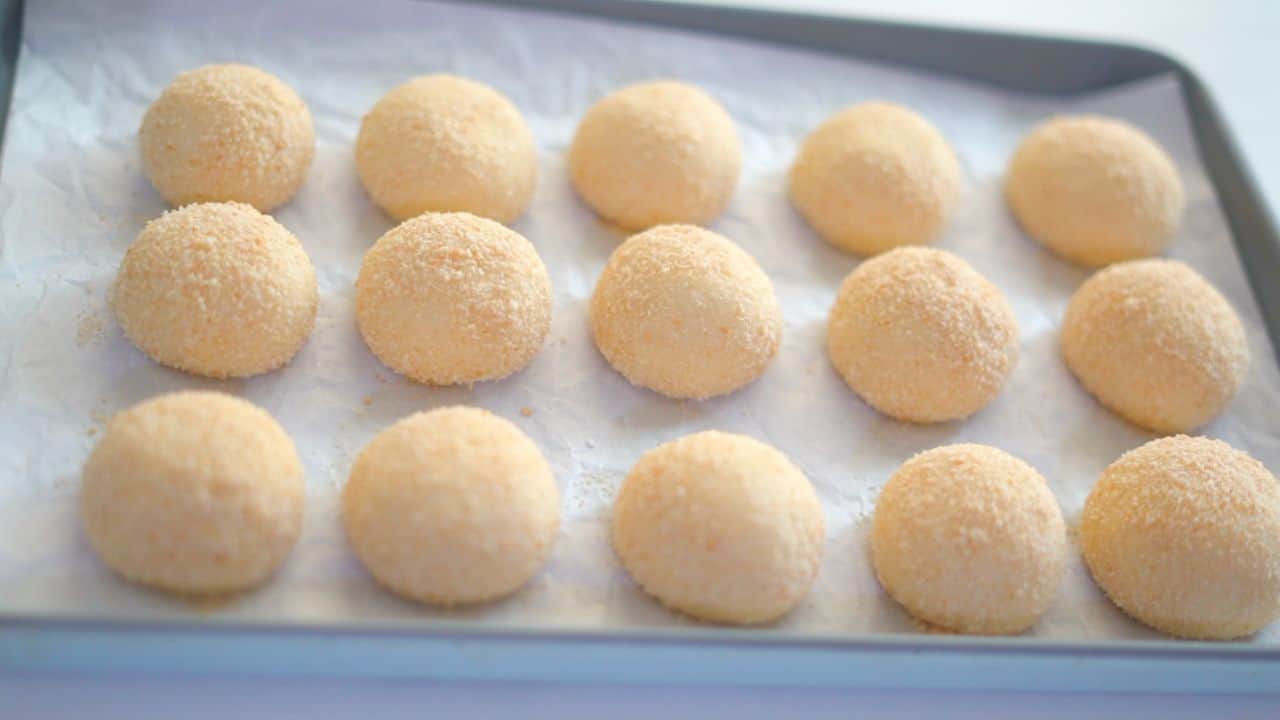
Avoid letting the rolls overproof, as this can affect their structure. They should feel light and airy while still holding their shape.
Meanwhile, preheat your oven to 375°F (180°C).
8. Bake the Pandesal
Place the baking sheet in the preheated oven and bake for 16-18 minutes, or until the rolls are lightly golden and cooked through.
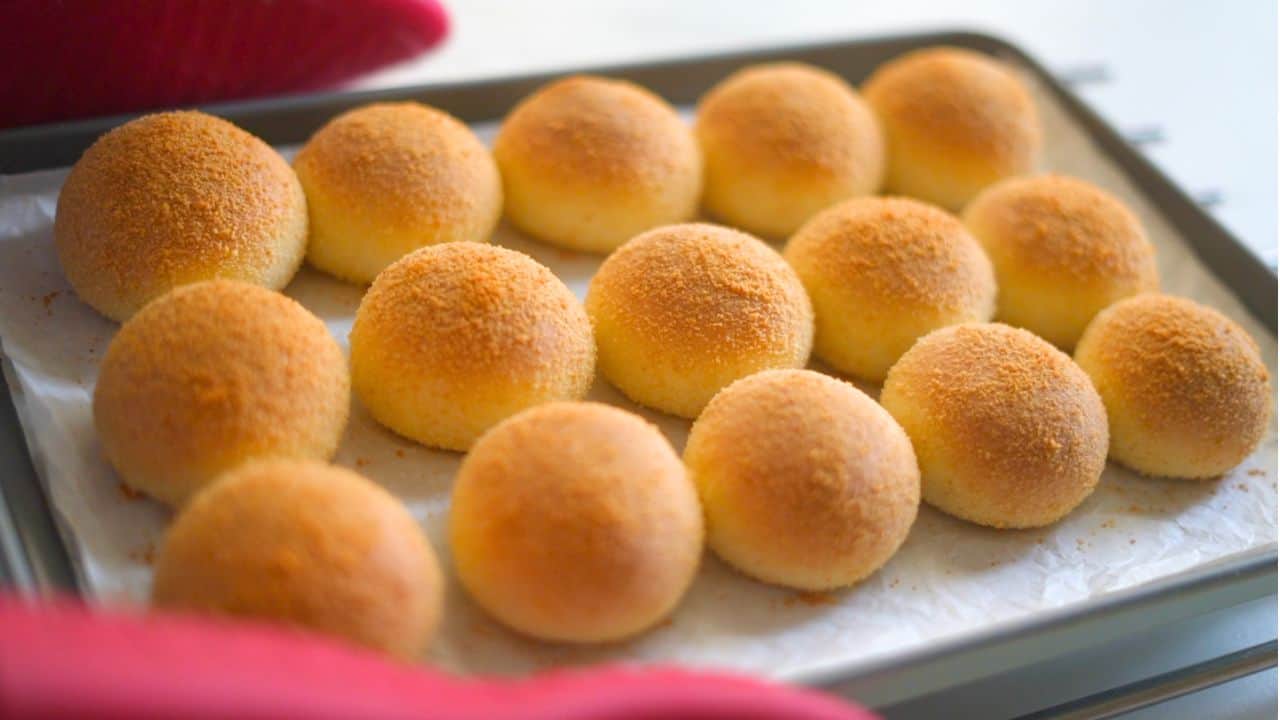
Oven temperatures can vary, so begin checking towards the end of the baking time. The rolls should look set, with a lightly golden surface and a soft interior.
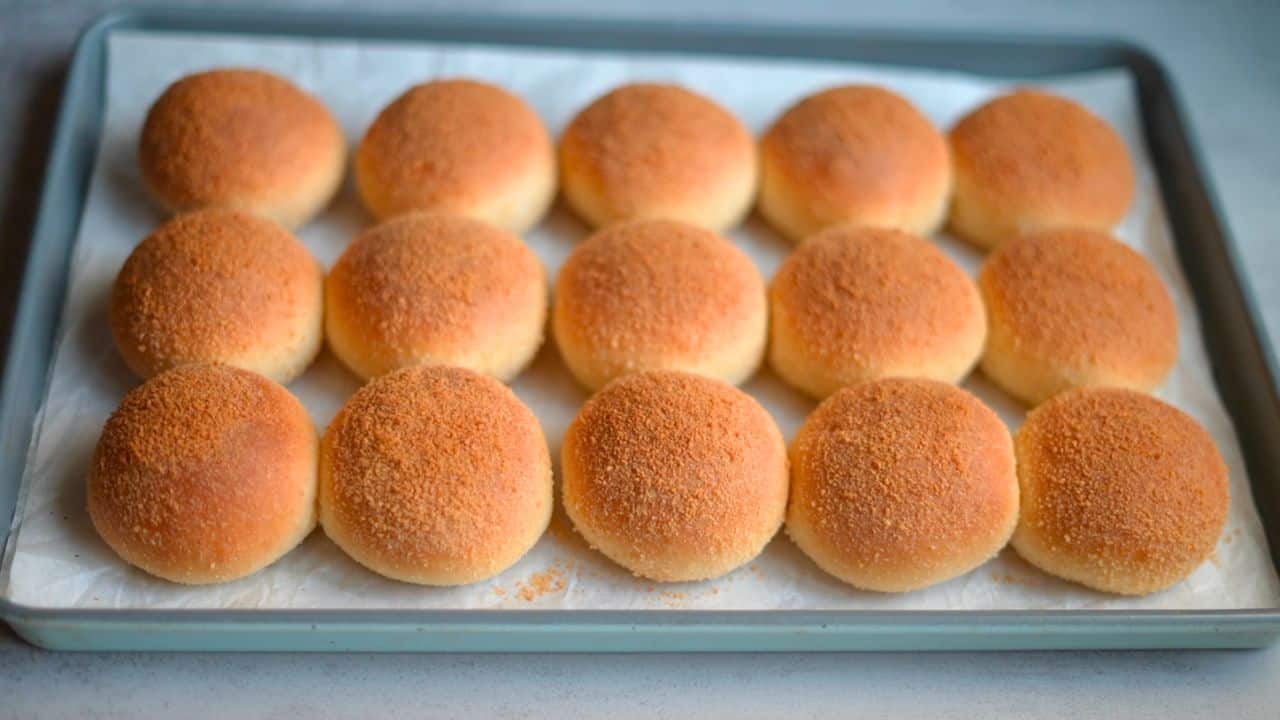
Remove the tray from the oven and let the pandesal cool slightly on a wire rack.
Your homemade pandesal is now ready to enjoy!
How to Serve Pandesal
Pandesal tastes best when freshly baked and slightly warm. The soft interior and breadcrumb-coated exterior make it wonderfully versatile.
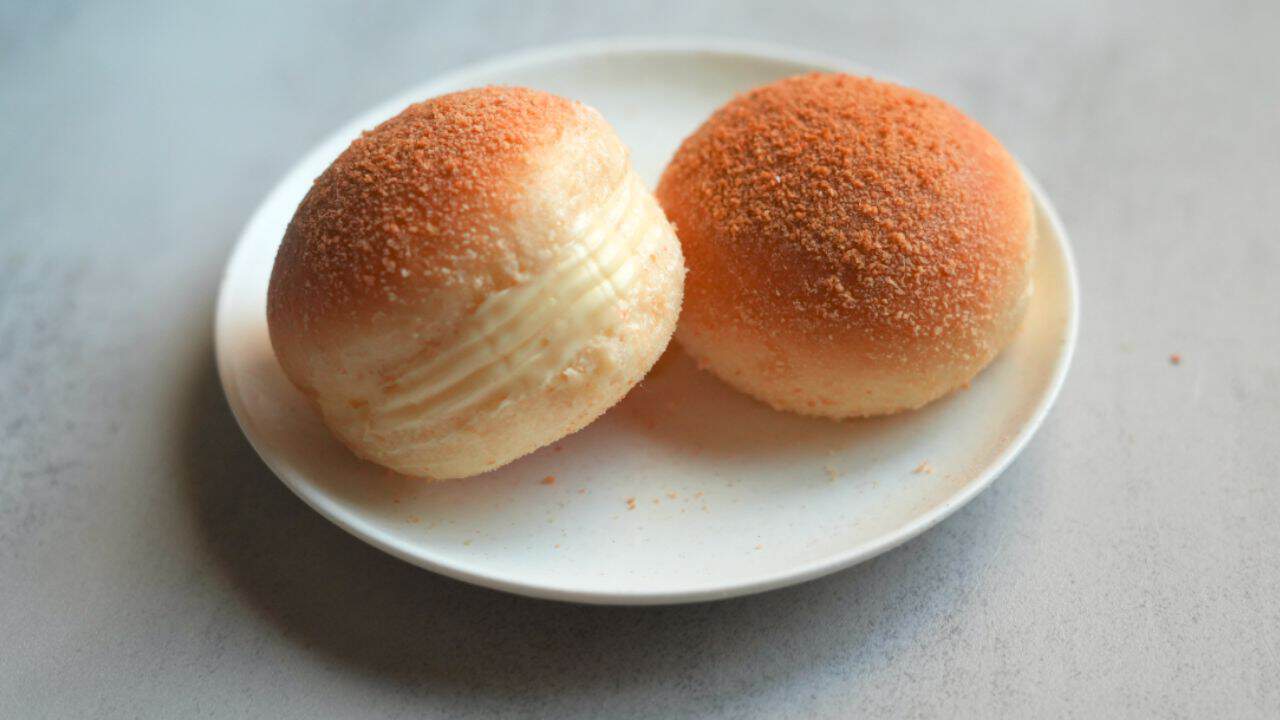
Here are some delicious ways to serve it:
- With butter: Slice a warm roll and spread butter inside so it melts into the soft bread.
- With cheese: Add a slice of cheddar or your favourite cheese for a simple breakfast.
- With jam or honey: The mild sweetness of pandesal pairs beautifully with sweet spreads.
- With peanut butter: Spread peanut butter inside for a filling breakfast or afternoon snack.
- With eggs: Serve alongside scrambled eggs or a fried egg for a satisfying meal.
- With savoury fillings: Fill the rolls with ham, cheese, or leftover cooked meat to make a simple sandwich.
In the Philippines, pandesal is commonly enjoyed for breakfast with coffee or other hot drinks. You can also serve it as an afternoon snack or alongside your favourite soup.
How to Store Pandesal
Allow the baked rolls to cool completely before storing them. Placing warm bread in an airtight container can trap steam and make the crust damp.
At room temperature: Store the rolls in an airtight container or food-safe bag for up to 2–3 days. Keep them in a cool, dry place away from direct sunlight.
In the refrigerator: Refrigeration is generally unnecessary for plain bread rolls and can make them stale faster. If you need to refrigerate them because of warm conditions or a perishable filling, wrap them well and reheat before serving.
In the freezer: For longer storage, place the completely cooled rolls in a freezer-safe bag or airtight container and freeze for up to 2–3 months for the best quality. If possible, freeze them in small portions so you can take out only what you need.
How to Reheat Pandesal
Pandesal is especially delicious when gently reheated, as warming helps restore some of its softness.
In the oven: Preheat the oven to 300–325°F (150–160°C). Place the rolls on a baking tray and warm them for approximately 5–8 minutes. If they seem dry, lightly sprinkle or brush them with a little water before reheating.
In an air fryer: Heat at approximately 300°F (150°C) for 2–4 minutes, checking regularly to prevent the rolls from becoming too crisp.
In the microwave: Wrap a roll in a slightly damp paper towel and microwave for about 10–15 seconds. Add a few more seconds if needed, taking care not to overheat it, as the bread can become chewy once it cools.
For frozen pandesal, allow the rolls to thaw at room temperature before reheating, or warm them for a little longer directly from frozen.
Tips for Soft and Fluffy Pandesal
- Use milk that is slightly warm, never hot, to protect the yeast.
- Knead the dough sufficiently to develop its gluten structure.
- Keep the dough soft. Adding too much extra flour can result in dry, dense rolls.
- Allow the dough to double during the first proof and become noticeably puffy during the second proof.
- Check the rolls towards the end of baking, as oven temperatures and baking times can vary.
Video: How to make Pandesal (Soft Filipino Bread Rolls)
Frequently Asked Questions
Can I use bread flour instead of all-purpose flour?
Yes. Bread flour can also be used, although it may absorb liquid differently and produce a slightly chewier roll. Adjust the milk if necessary to maintain a soft dough.
Can I prepare the dough ahead of time?
Yes. You can prepare the dough and allow it to rise slowly in the refrigerator. Cover it well, then bring it out and allow it to warm slightly before shaping. The timing may vary depending on how much the dough has risen.
Why is my pandesal dense?
Dense rolls may result from adding too much flour, insufficient kneading, inactive yeast, or inadequate proofing. Make sure the dough is soft and smooth, and give it enough time to rise.
Why aren't the breadcrumbs sticking?
The dough surface may be too dry. Lightly spray the shaped dough balls with water before rolling them in breadcrumbs.
Can I freeze homemade pandesal?
Absolutely! Cool the rolls completely, pack them in a freezer-safe bag, and freeze for up to 2–3 months for the best quality. Thaw and reheat them when you are ready to serve.
Enjoy Your Homemade Pandesal!
This easy homemade pandesal recipe is a lovely way to bring a little taste of the Philippines into your kitchen. With its soft, buttery interior, gentle sweetness, and familiar breadcrumb coating, these rolls are perfect for breakfast, snacks, or simple sandwiches.
Make a batch, enjoy them warm from the oven, and save a few for later. Once you experience how lovely homemade pandesal can be, you may find yourself making them again and again!

How to make Pandesal ( soft and fluffy Filipino bread rolls)
Ingredients
- 325 g flour 2½ cups
- 128 ml milk ½ cup + ½ tablespoon, slightly warm
- 1 egg
- 50 g butter 3½ tablespoons, softened
- 1 teaspoon yeast
- 30 g sugar 2½ tablespoons
- 1 teaspoon salt 6 g
- 50 g breadcrumbs
Instructions
- Mix the dough: Pour the slightly warm milk into a large mixing bowl. Add the sugar, salt, yeast, egg, and softened butter. Add the flour and mix until a shaggy dough forms.
- Knead the dough: Knead by hand for approximately 10 minutes, or use a stand mixer with a dough hook, until the dough becomes soft, smooth, and elastic. If it remains very sticky after about 6 minutes, add 1–2 tablespoons of flour gradually. If it feels too dry, add a little milk.
- First proof: Lightly grease a bowl with olive oil and place the dough inside. Turn it once to coat lightly with oil. Cover and let it rise in a warm place for about 1½ hours, or until doubled in size.
- Divide the dough: Gently press down the risen dough to release the gas. Transfer it to a work surface and divide it into 15 equal portions.
- Shape the rolls: Shape each portion into a smooth ball, tucking the edges underneath. Repeat with the remaining dough.
- Coat with breadcrumbs: Place the breadcrumbs in a shallow bowl. Roll each dough ball in the breadcrumbs until coated. If the crumbs do not stick, lightly spray the dough with water before coating.
- Second proof: Arrange the rolls on a parchment-lined baking sheet, leaving space between them. Cover loosely and let them rise for 45–60 minutes, or until noticeably puffy.
- Preheat the oven: Towards the end of the second proof, preheat the oven to 375°F (180°C).
- Bake: Bake for 16–18 minutes, or until the rolls are lightly golden and cooked through.
- Cool and serve: Transfer the pandesal to a wire rack and allow them to cool slightly. Serve warm with butter, cheese, jam, peanut butter, or your favourite filling.